
The Granite Belt is one of our favourite Queensland escapes. It has everything we need for a quick break or a week away from the city with good wine, local produce, and countryside views.
I grew up nearby on the Darling Downs, and my dad had a fruit and vegetable business. Stanthorpe was one of the places we would visit to pick up apples and other produce. Local food has always been part of how I know the region.
These days, we return to the Granite Belt for more than fresh produce. We enjoy the wine tasting, country drives and cosy stays. It’s an easy food and wine escape, under three hours’ drive from Brisbane in Southern Queensland Country.
Over repeat visits, we have learned that the best Granite Belt trips are not about visiting every winery or planning every moment. They work best when you choose a good base, plan a few cellar doors and food stops, and leave time to relax and let the region do its thing.
If wine isn’t your thing, stick around. There are plenty of other reasons to visit, including what might be the best apple pie in the country, camping and the region’s granite landscapes.
Whether you’re planning a long weekend, a longer Southern Queensland escape or your first visit to Queensland’s wine country, this guide will help you understand where to go, shape the trip and enjoy the Granite Belt without overplanning it.
- Where is the Granite Belt?
- About the Granite Belt wine region
- Why visit the Granite Belt for food and wine?
- What to eat, drink and experience
- Main areas to know
- Where to stay on the Granite Belt
- How long to stay
- Best time to visit the Granite Belt
- Getting there
- Getting around
- An ideal 3-4 day Granite Belt trip
- What to book ahead
- What to leave flexible
- Is the Granite Belt right for you?
Where is the Granite Belt?
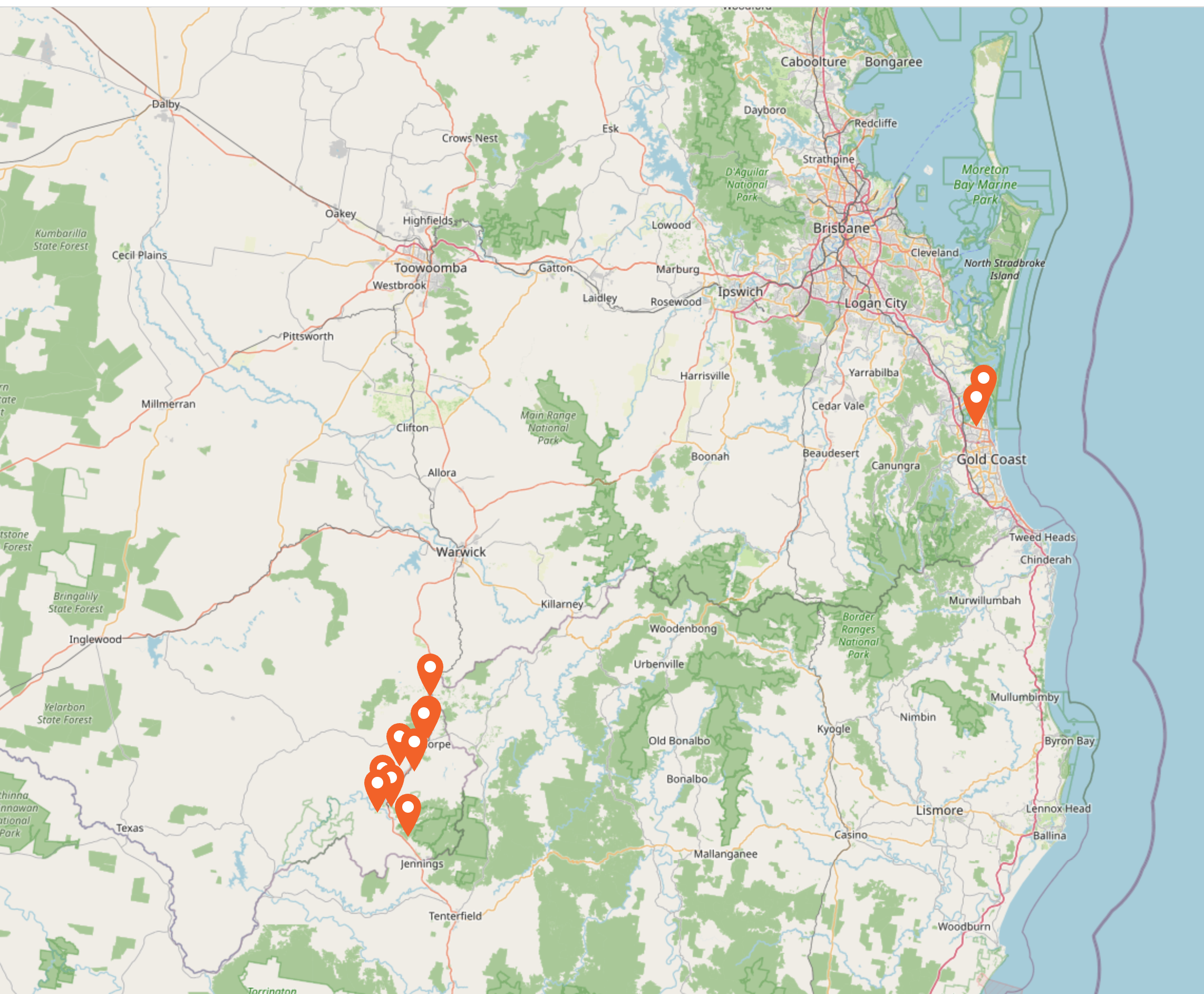
The Granite Belt is in Southern Queensland Country, just under three hours southwest of Brisbane and close to the New South Wales border.
The main town is Stanthorpe. From there, the region is often thought of in three areas: Applethorpe and Thulimbah to the north, Glen Aplin and Severnlea in the centre, and Ballandean, Wyberba and Girraween National Park to the south.
One thing these areas share is the elevation, which helps shape the Granite Belt’s cool-climate wine character.
About the Granite Belt wine region
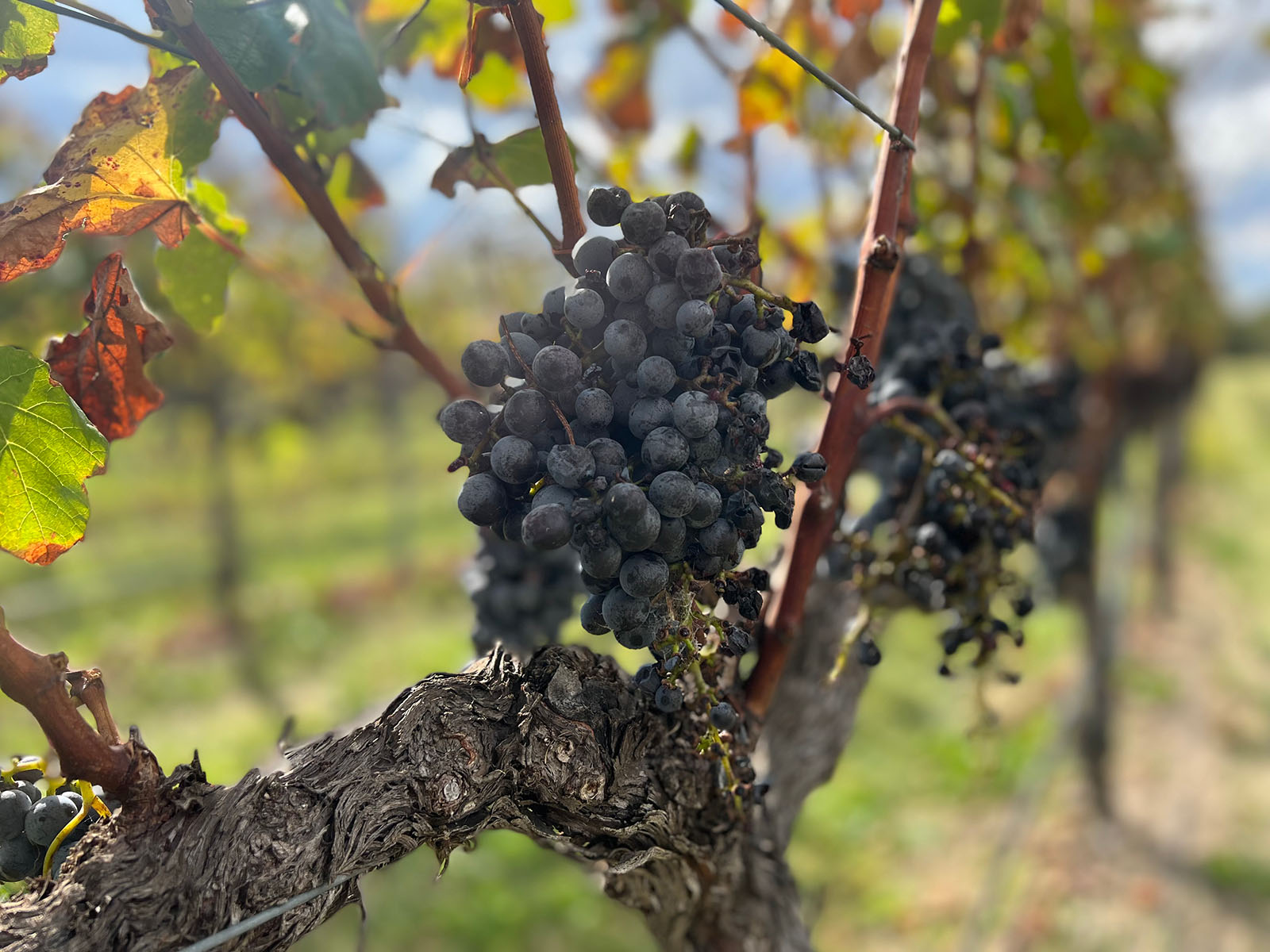
Sitting on the Great Dividing Range, the Granite Belt is one of Queensland’s higher-altitude regions, ranging from around 700 metres to more than 1,000 metres above sea level.
The altitude, cooler temperatures and lower humidity create conditions well suited to cool-climate wines and make the region feel quite different from the coastal parts of Queensland.
The region takes its name from the large granite boulders that dot the landscape, but beyond the landscape, there is a well-established and burgeoning wine scene.
Two interesting facts are that this is one of the highest-altitude wine-producing regions in Australia, and its wine history dates back to the mid-1800s.
Italian priest Father Jerome Davadi planted some of the first vines in the area and was one of the pioneers of the region. Immigrant families also planted vines for their own consumption, and commercial wine production began in the 1960s.
Queensland’s oldest operating winery can be found here, yet it remains one of Australia’s lesser-known and under-rated wine destinations. This and the Strange Bird wines are why you should visit if you haven’t already.
Beyond the more familiar varieties of Shiraz, Cabernet Sauvignon, Merlot and Chardonnay, the Granite Belt has developed an interesting point of difference through what are known locally as Strange Bird wines.
These are alternative or emerging varieties. To be considered alternative, they must represent less than 1% of the total bearing vines in Australia. Think Saperavi, Touriga Nacional, Grillo, Albariño, Malvasia, Fiano, Graciano and many more.
If you like exploring beyond the usual, the Strange Bird Wine Trail gives you a very good reason to visit.
Why visit the Granite Belt for food and wine?
The Granite Belt may be Queensland’s best-known wine region, but the appeal goes well beyond cellar doors.
It is a region of orchards, local produce, seasonal food, small producers, country bakeries, farm shops, cafes and restaurants. The pace is unhurried, the scenery is genuinely beautiful in every season, and there is enough variety across the region that repeat visits never feel like you are covering the same ground.
It is especially good for travellers who enjoy wine tasting with smaller crowds and fewer large-scale commercial operators than you find in some better known wine regions, along with country towns and smaller villages, self-contained accommodation and drinking, eating and cooking with local produce.
The easiest way to discover what the region has to offer is to choose a few things worth planning around, with spare time for what you find along the way.
What to eat, drink and experience
This is a region where the food and drink are genuinely worth building a trip around. The Granite Belt produces some excellent cool-climate wine, but it also has a strong local and seasonal food scene including stone fruit, apples, berries, artisan cheeses, preserves, farm-fresh produce and some very good eating at the cellar doors and beyond.
Drink
Wine tasting and cellar doors
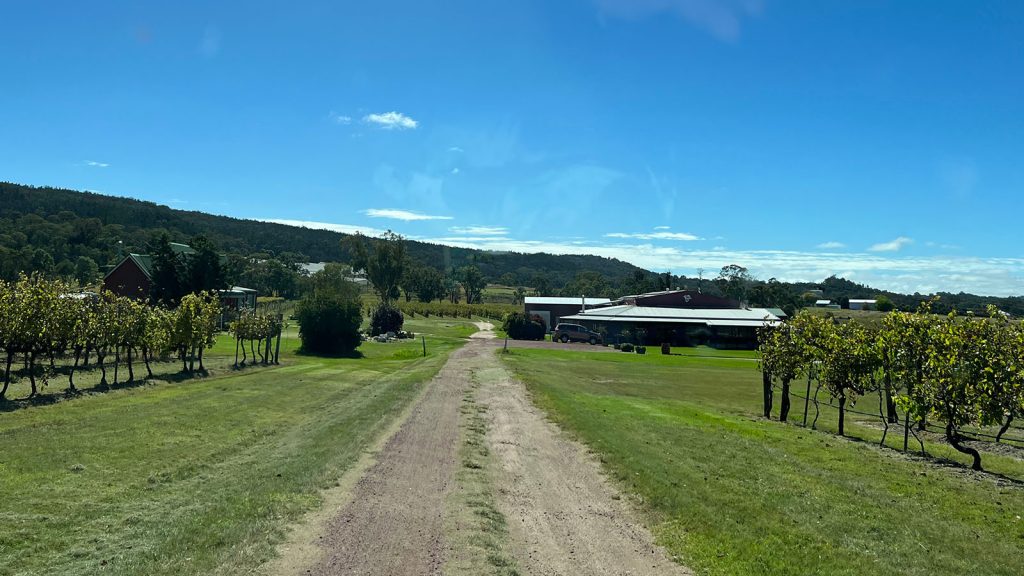
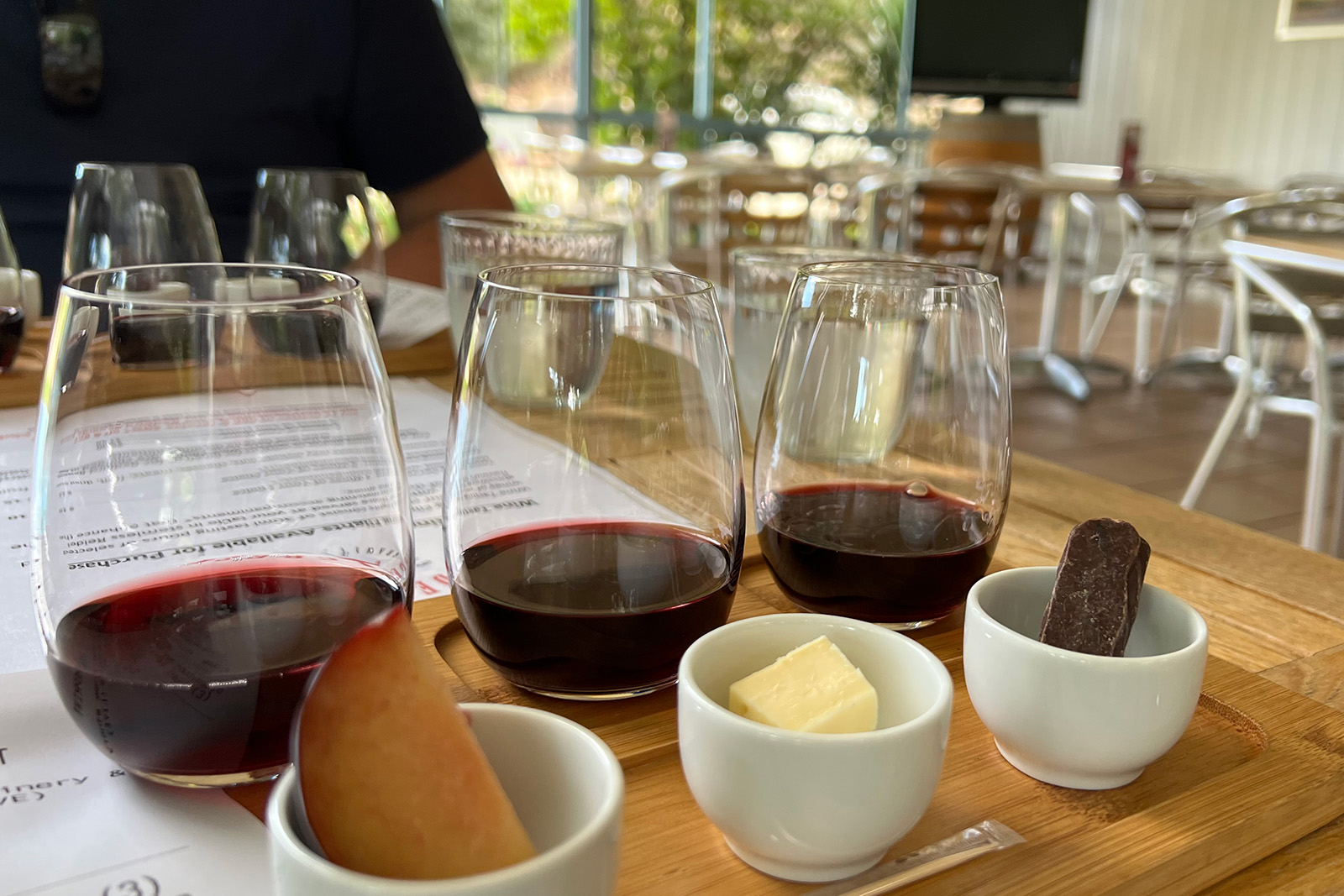
The cellar door experience here is typically relaxed and personal. Most producers are small enough that you are likely to meet the owner or winemaker, and the range of varieties on offer makes it interesting even if you visit regularly.
On any given visit, a typical day might take in two or three cellar doors, tops, preferably close to each other, rather than trying to cover the whole map. We find that keeps the taste buds tasting and lets you actually enjoy each stop rather than racing through them. A few of our favourite cellar doors around Ballandean and Wyberba, enough for a couple of easy tasting days:
- Ballandean Estate Wines is Queensland’s oldest family-owned and operated winery, and a place you should visit at least once.
- Bungawarra Wines has old vines, small-batch wines and plenty of history and character. It feels like what the Granite Belt is all about: wine made with care, experience and probably a fair amount of sweat and tears.
- Golden Grove Estate Wines is a family-owned winery with established estate grown wines. It has a relaxed tasting experience and a good mix of familiar varieties, Strange Bird wines and usually a rosé or two.
- Hidden Creek Winery. We love the beautiful setting where you can sit outside overlooking the lake, with a good selection of both whites and reds.
Breweries, distilleries and cider
Not everything has to be wine. There are good craft beer, cider and spirits options across the region that make for a welcome change of pace, especially useful if you are travelling with someone who is less wine-focused.
Adding one brewery or distillery stop to a tasting day gives the palate a break and often turns into one of the more memorable visits.
Brass Monkey Brew House
Brass Monkey Brew House is a small, rustic brewery in Severnlea and a good change of pace between winery visits. You park on the grass near the paddocks, wander into what feels a little like a country shed, and settle in for a drink and something to eat.
They brew a range of small-batch beers onsite, but I have a soft spot for the ginger beer. On our visit, we had a pizza, a hot dog and shared sweet potato fries.
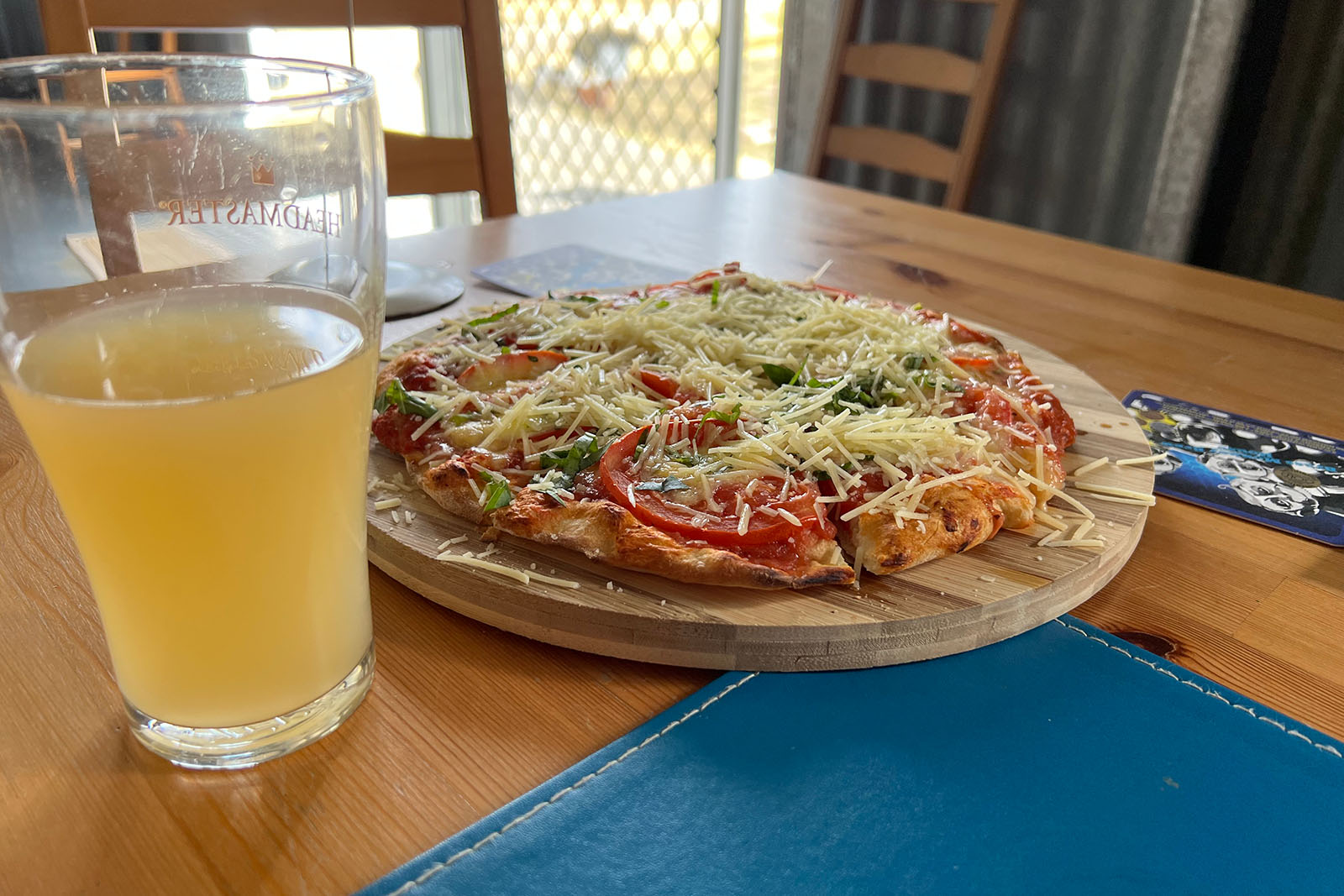
The whole place is casual, unpolished and very Granite Belt, which is part of its charm.
Eat
Lunch at Balancing Heart Vineyard
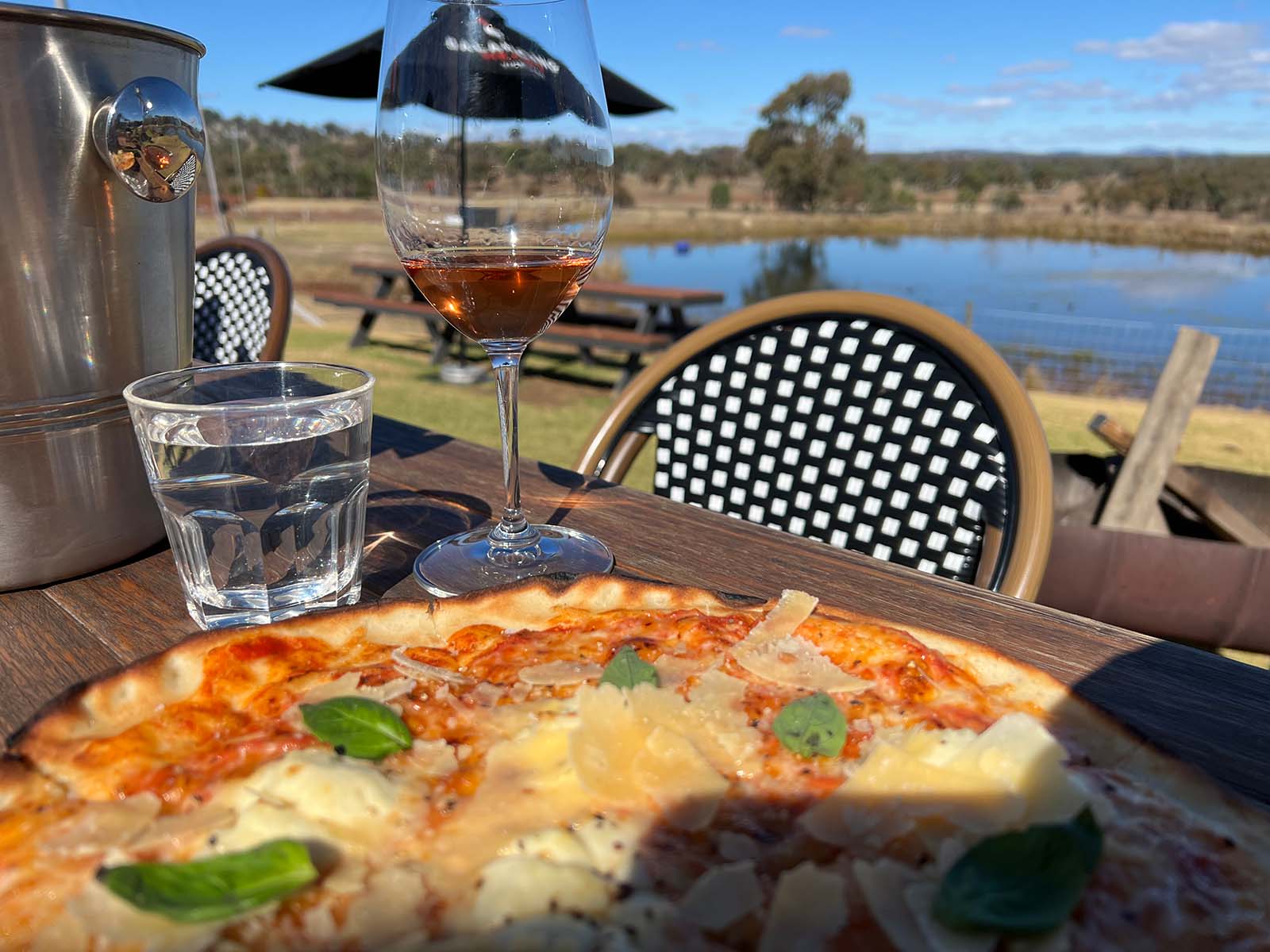
One of our favourite stops on the Granite Belt is Balancing Heart Vineyard in Wyberba. The setting is part of the appeal, with tables overlooking the water and plenty of reason to slow down rather than rush through lunch.
The menu centres around pizzas and platters, which suits the place perfectly. We usually go for a Margherita pizza or a ploughman’s platter. If the rosé is available, that is often my pick, otherwise a Verdelho works very nicely. And if it is red wine weather, then of course that’s what we’re having. 🍷
It’s the kind of place where you come for a tasting, stay for lunch and find the afternoon has gone. Book ahead, especially on weekends, as it can get busy.
Local produce and farm stops
The Granite Belt is a strong region for produce-led travel. Look for orchards, farm shops, roadside stalls, preserves, artisan cheeses, seasonal fruit and vegetables. Depending on when you visit, you might find apples, stone fruit, strawberries, berries and more.
This is where self-contained accommodation earns its keep. One of the simplest pleasures of a Granite Belt trip is picking up something local, heading back to your accommodation and snacking on cheese or cooking a proper meal with a bottle of regional wine.
Sam’s Farm Fresh Fruit and Veg
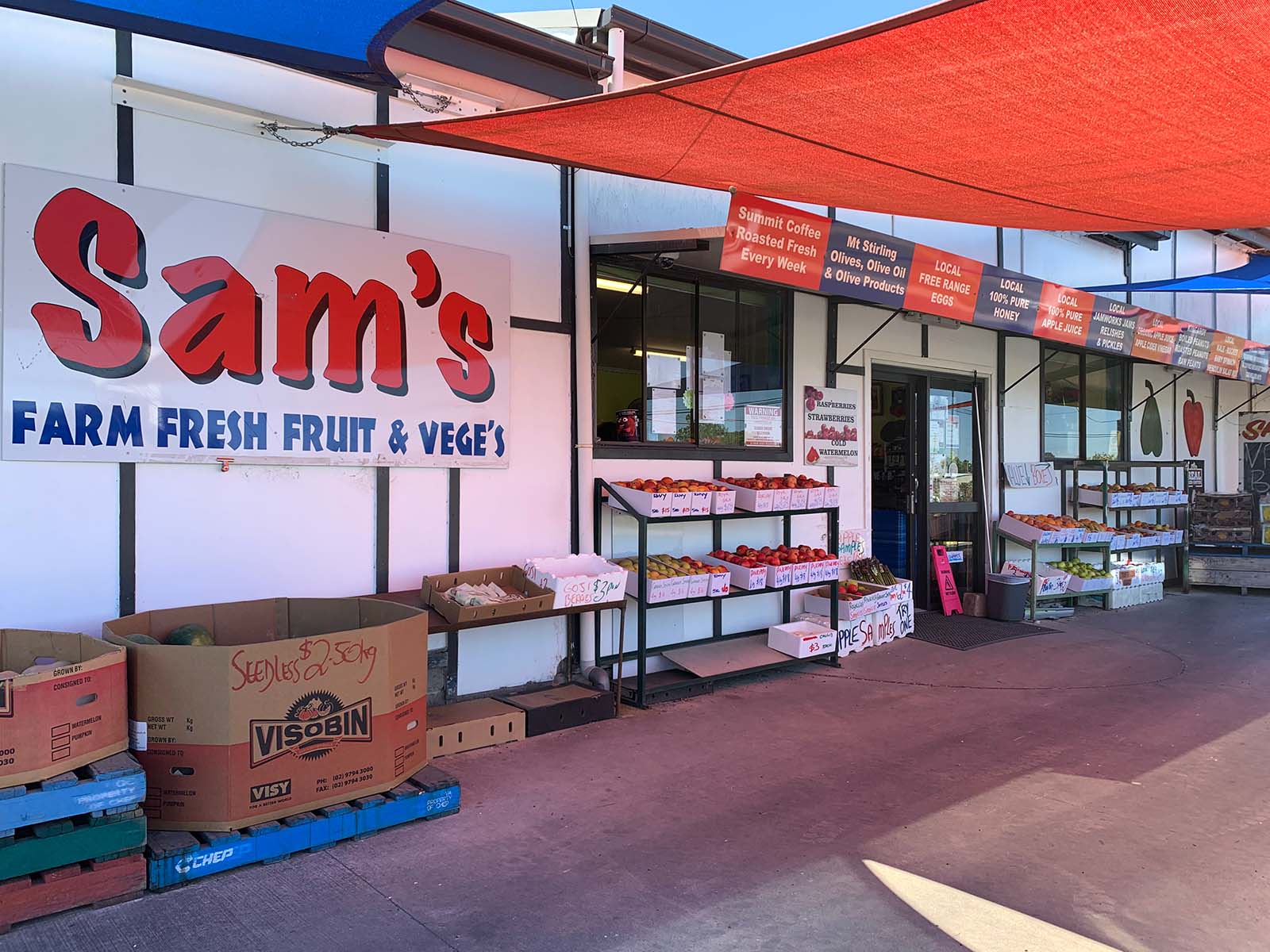
Sam’s is much more than a fruit and veg stop. Along with fresh local produce which is amazing, there is a small deli and a good range of pantry items, so it is the kind of place where you can easily come out with more than you planned.
I always have a look through the imported goods. One of my favourites is the tuna imported from Italy, which always finds its way into the basket.
It is a great stop if you are staying somewhere self-contained and want to pick up local apples and other produce, snacks or a few things for an easy meal back at your accommodation.
Heavenly Chocolate
Heavenly Chocolate has a good selection of chocolate, confectionery, gourmet goods and preserves.
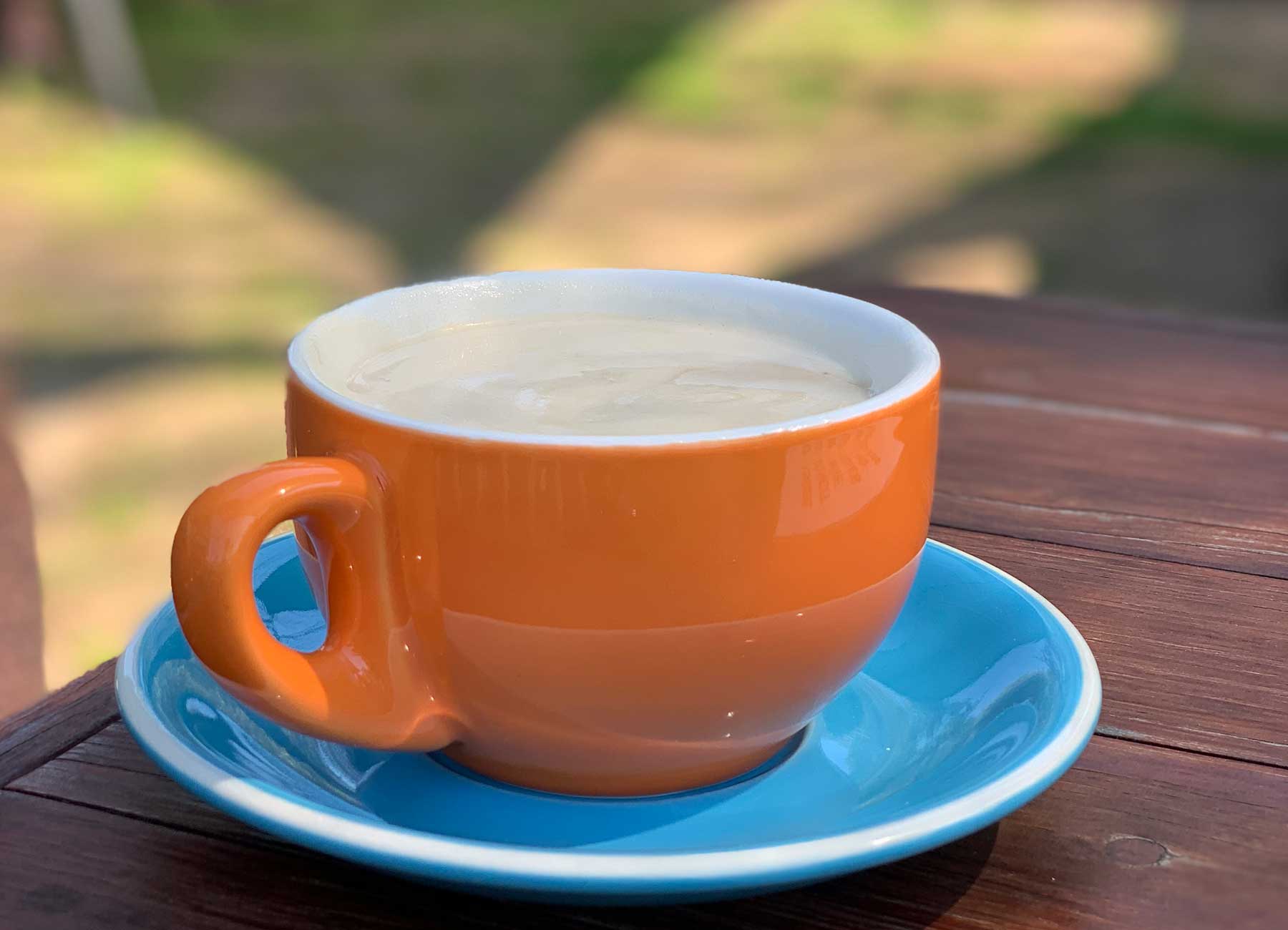
The European-style hot chocolate, enjoyed in the garden, is exactly right for a cold Granite Belt morning, and worth the stop on its own.
Experience
Girraween National Park and the granite landscapes
You do not have to be a serious hiker to enjoy Girraween National Park. The huge granite boulders and distinctive landscape are worth seeing even if you only stop for a short walk or picnic.
It also gives you a completely different side of the Granite Belt beyond the cellar doors and food stops.
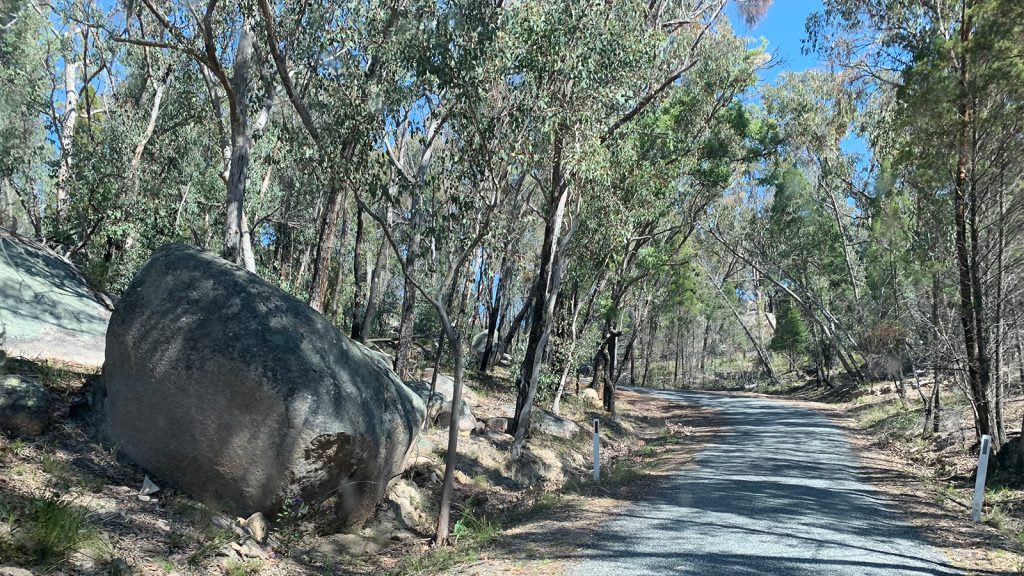
Country drives and exploring the region
Some of our favourite Granite Belt time is simply driving between the small towns, wineries and produce stops. The distances are manageable, the scenery changes with the seasons and there is usually somewhere worth pulling over for along the way.
Leave a little room in the day for the places you did not plan.
Main areas to know
For food and wine travellers, the main areas to know are Stanthorpe and Ballandean, with cellar doors, produce stops and small settlements scattered across the wider region.
Stanthorpe
Stanthorpe is the main town and the most practical base for many visitors, particularly first-timers. It has supermarkets, cafes, restaurants, shops and services, and a central location for exploring the wider region in all directions. Stay here if you want convenience and easier access to meals without needing to plan every evening in advance.
Ballandean
Ballandean is one of the best-known wine areas on the Granite Belt and a strong choice if your trip is centred around cellar doors. It is quiet and unhurried, with many wineries within a short drive.
It’s a good base for a more wine-focused escape if you don’t mind being away from Stanthorpe’s facilities. Ballandean and nearby Wyberba have a particularly good concentration of cellar doors, and it’s growing quickly.
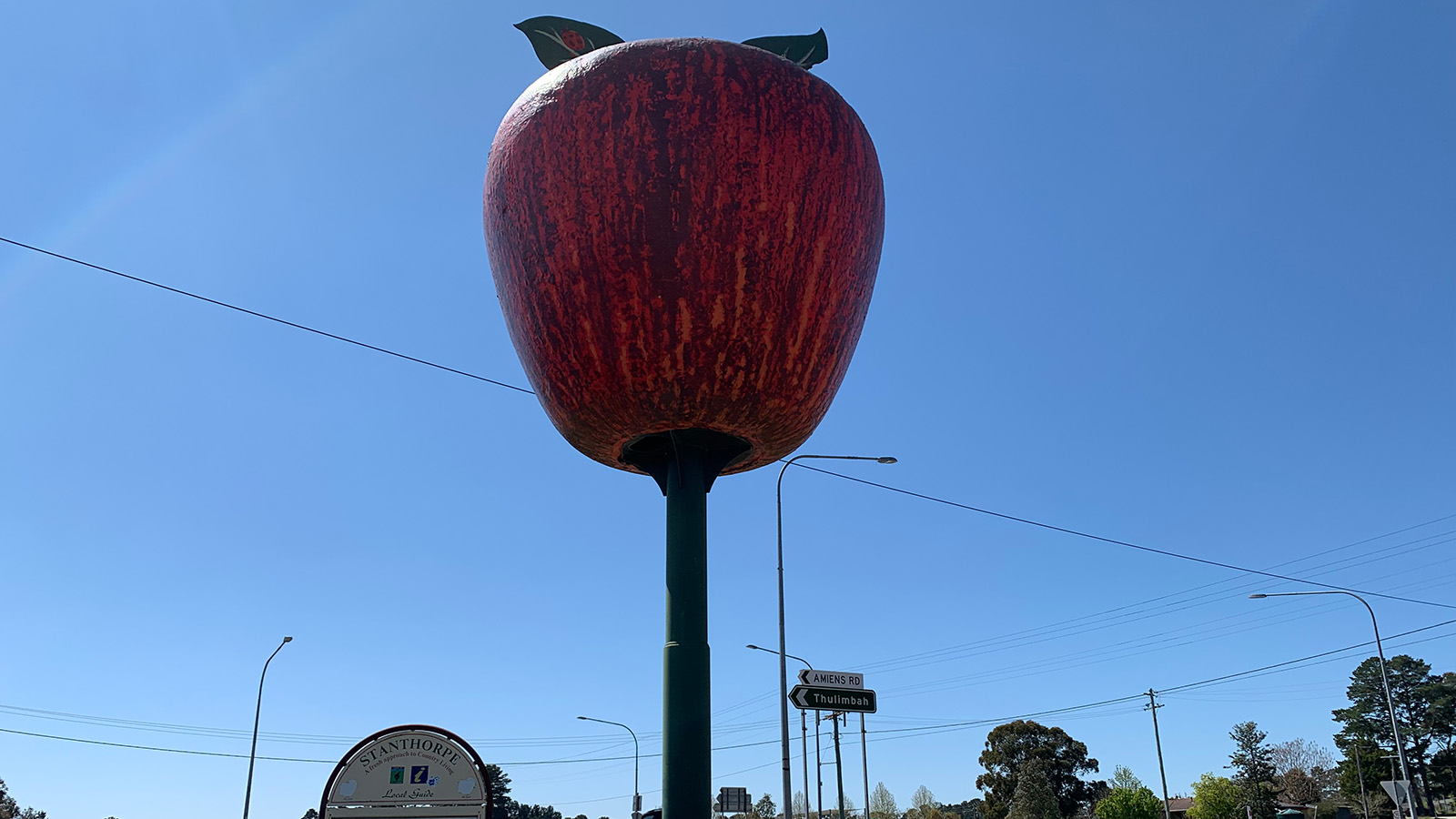
Applethorpe, Thulimbah and Amiens
These areas are known for orchards, produce, cider, cafes and roadside stops. They are worth including if you are interested in local food, apples, seasonal produce and the kind of casual stops that make a country trip feel right.
Glen Aplin and Severnlea
Both are within easy reach of Stanthorpe and work well for wineries, local drives and quieter stays. They are good options for exploring a slightly different part of the region without adding too much driving.
Girraween National Park and Wyberba
This is the area to include if you want a nature stop without turning the whole trip into a hiking holiday. The granite boulder landscapes are genuinely spectacular, and Girraween works well alongside the southern wineries of Ballandean and Wyberba.
The park has walks at different levels, and even a short one gives you a sense of how the Granite Belt got its name.
Where to stay on the Granite Belt
Where you stay will shape the feel of your trip more than almost any other decision, so it is worth thinking about before you book.
We stayed in the Blue Wren Cottage at Kurrajong Barn & Cottages in Ballandean and we would go back without hesitation. It is conveniently located just off the highway, far enough not to hear the traffic. It’s within walking distance of a couple of dining options, a hotel, a small general store and a couple of cellar doors. Plus, it’s only a short drive in any direction to over a dozen wineries.
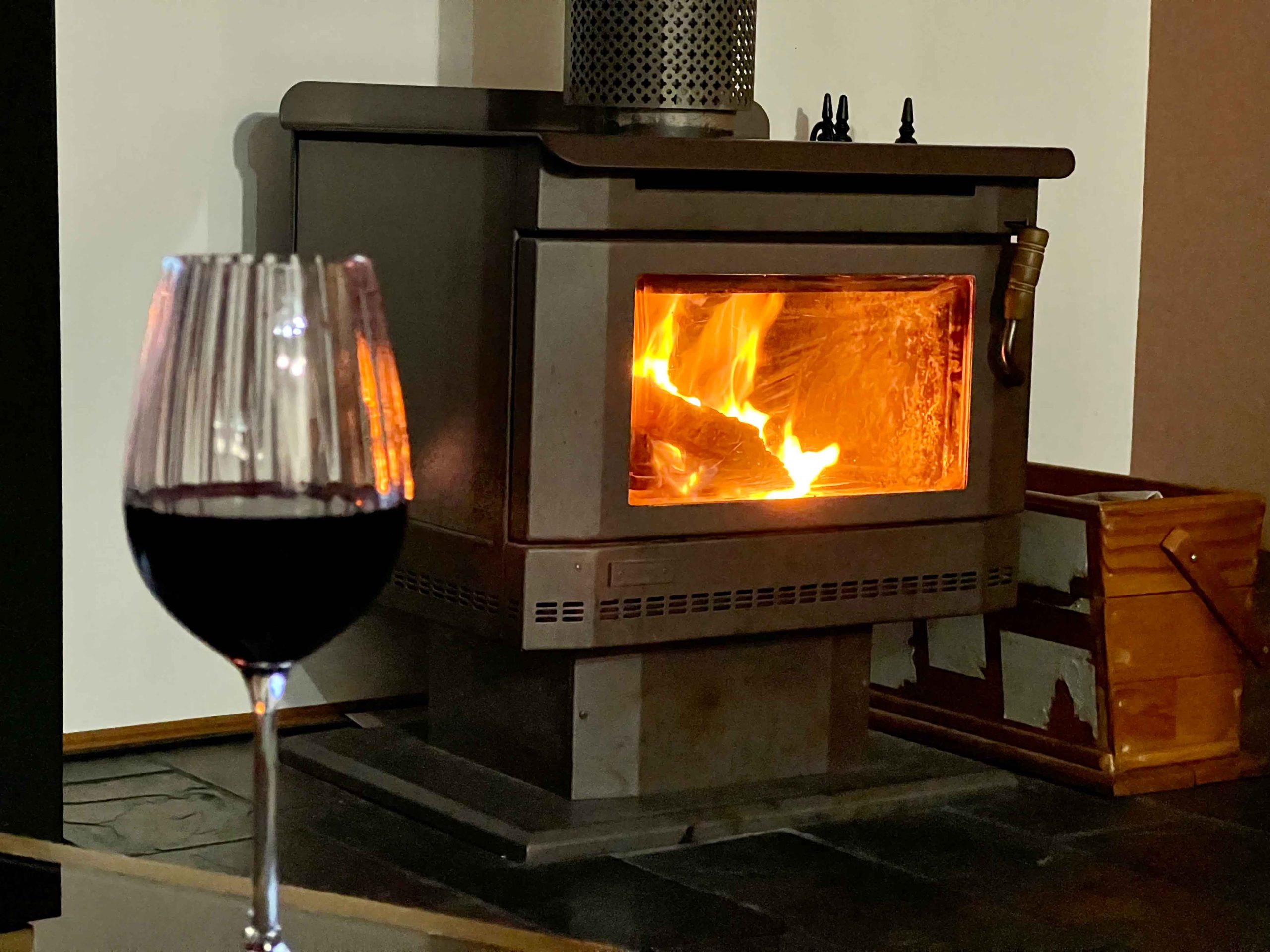
The cottage has two bedrooms, each with an ensuite, a cosy lounge with fireplace, a kitchen and dining area, an outdoor BBQ and a covered patio that is exactly right for morning coffee and afternoon drinks. In winter, that fireplace is worth the trip on its own.
Another place we love is Severndipity at Somme, where we have stayed in both the cottage and Terata House. The cottage sits among bushland near the Severn River, while Terata House has more space and open views across the surrounding farmland. Both are peaceful, private and well positioned for exploring the wineries and food stops nearby.
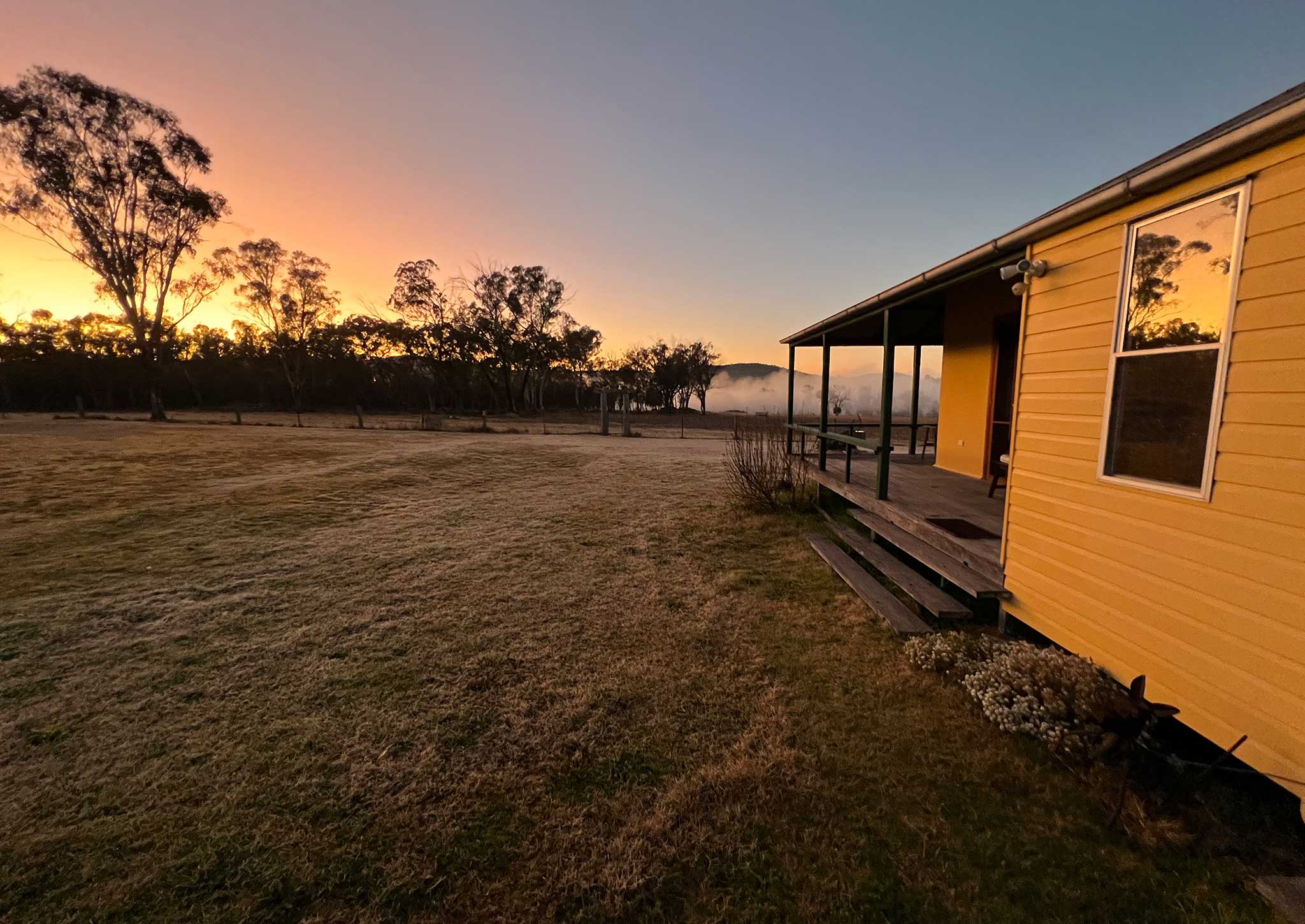
Terata House is our pick if you are travelling with another couple, want more space or plan to cook with local produce during your stay.
If you cannot get into Kurrajong or Severndipity, Granite Ridge Wines also has a gorgeous cottage available on site called Fergie’s Hill Spa Cottage.
Destination Savour Tip: choosing your base
For a town-based stay, Stanthorpe has the most options and the most flexibility for meals.
For a vineyard stay, check whether your chosen winery has accommodation. A handful of producers have on-site cottages that put you right in the vines.
Before you book, check how far you’ll be from Stanthorpe or Ballandean, whether you’ll need to drive to dinner, whether there is a kitchen if you want to cook in, and whether the property has proper heating for a winter stay.
How long to stay
You can visit the Granite Belt for a weekend, but it’s better with at least three nights.
A two-night stay gives you enough time for one main winery day and a few local food stops, but it can feel quick if you are driving from Brisbane or the Gold Coast, and you spend a good chunk of the first and last days in the car.
Three nights gives more breathing room. You can arrive without rushing, spend a full day around cellar doors, add a slower produce or nature day, and still have time to properly enjoy wherever you are staying.
If you enjoy cooking in, scenic drives, winter fires, longer lunches and slower mornings, four nights or more is worth considering. We have done both the long weekend version and the week-long version, and the longer trips are consistently the ones we talk about afterwards.
Destination Savour Tip: how long to stay
2 nights: a quick escape, doable but leaves you wanting more
3 nights: the sweet spot for a relaxed food and wine trip
4 or more nights: if you want to slow down, explore widely or work remotely for part of the stay
Best time to visit the Granite Belt
I have visited the Granite Belt in all seasons, and my favourite times are late autumn or early winter for the crisp to cold air and indoor fireplaces, and spring as the vines come alive and the days feel warmer and a little longer.
It is a year-round destination, and each season offers something different. The best time depends on the weather you like, what you plan to do and the kind of trip you’re after.
🍇 Autumn (March to May) starts warm, with cooler days arriving as the season progresses. The vines start to change colour and for me, this time of year is well suited for wine tasting and country drives.
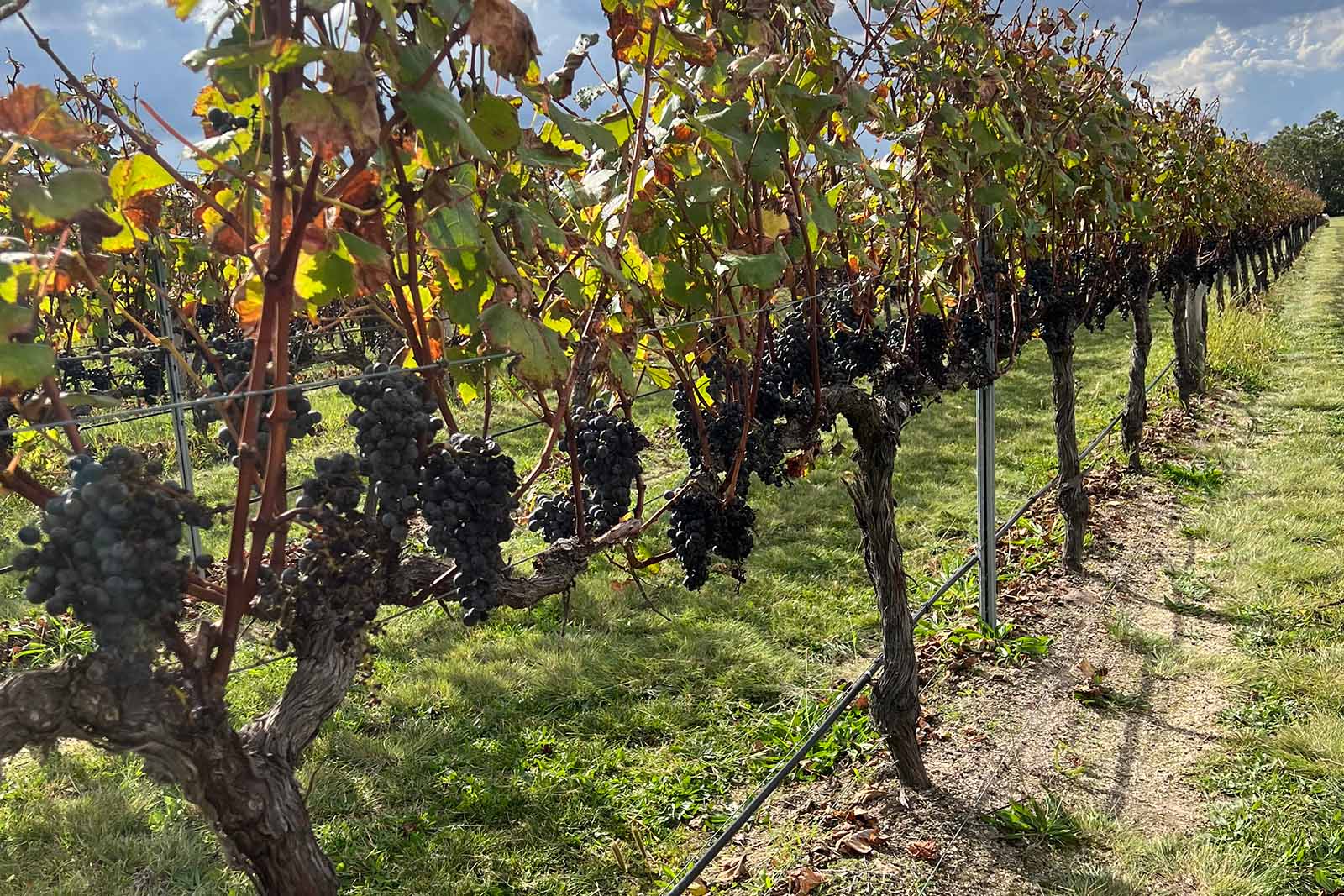
🔥 Winter (June to August) is the season the region is perhaps best known for: foggy mornings, clear days, cold nights, red wine weather and the novelty of genuinely cold Queensland temperatures.
Winter is known locally as Brass Monkey Season 🥶. Yes, it does get that cold. It has even snowed here, in Queensland. For us, that is part of the appeal. It’s a chance to wear our coats, scarves and boots. And, after a day sipping, tasting and exploring, come back to a fireplace, cook something simple, open a bottle bought during the day and settle in for the evening.
🌻 Spring (September to November) brings blossoms, budding vines, warmer days and a new mix of seasonal produce appearing.
☀️ Summer (December to February) is warmer, days can be hot, sometimes stormy, but it’s generally a much drier heat than coastal Queensland, making it a good escape from the humidity and perfect for a cold beverage.
Destination Savour Tip: timing your visit
If it’s your first visit, I’d avoid the height of summer. The cooler months are more comfortable and enjoyable for wine tasting, outdoor lunches and the occasional hike.
Some cellar doors and cafes only open on certain days, and some may close at certain times of the year, so check ahead before planning your visit.
It is also worth checking whether any major events are on if you prefer a quieter stay, as accommodation can book out quickly during events and popular weekends, especially in winter.
Getting there
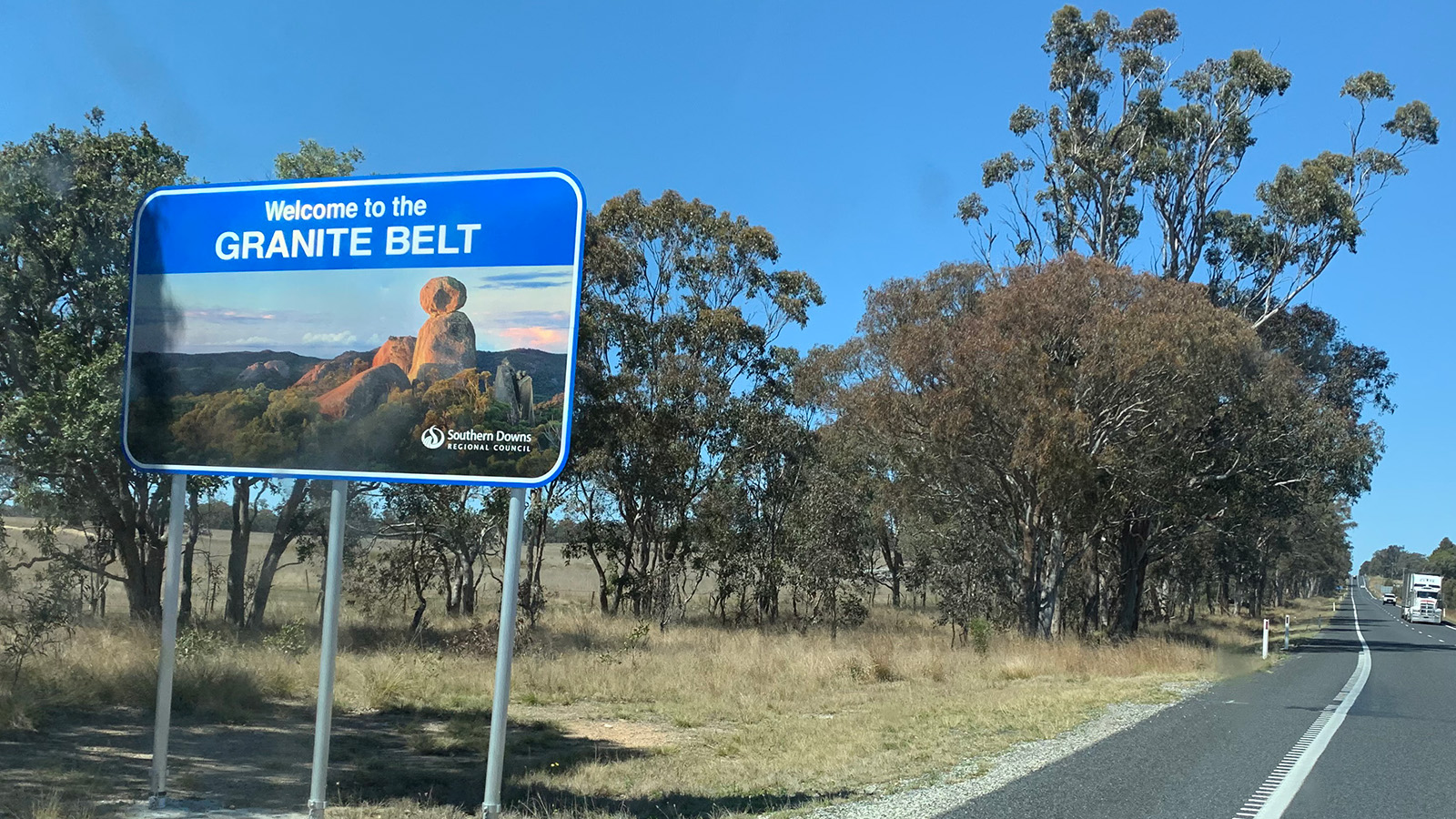
Self-driving is the best way to explore the Granite Belt, and the drive is part of the experience.
From Brisbane (approx. 2 hrs 50 min): Follow the Cunningham Highway over Cunningham’s Gap to Warwick, then continue on the New England Highway to Stanthorpe and Ballandean.
From the Gold Coast (approx. 3 hrs 15 min): Take the M1 towards Brisbane, then exit onto the Logan Motorway to the Ipswich Motorway. From the Ipswich Motorway, join the Cunningham Highway to Warwick, then continue on the New England Highway to Stanthorpe.
Driving times will vary depending on roadworks and time of day, so check this before you plan to leave.
There are also a couple of scenic route alternatives worth looking up in Google Maps from your starting point if you want to make the drive part of the day.
Getting around
The best way to get around is in your own car. The cellar doors, accommodation options and local food stops are spread across the region, and having your own car makes the whole thing considerably easier and more flexible.
A self-drive trip lets you move at your own pace, stop when something catches your eye and spend the day however you like without being locked into a schedule.
If you do not want to drive between wineries for a full day of tasting, consider booking a local wine tour or driver for one day. That lets you enjoy the cellar doors properly without anyone having to skip the tastings, while still giving you the freedom to explore independently on the other days.
An ideal 3-4 day Granite Belt trip
You do not need a packed itinerary to enjoy the Granite Belt. A simple structure works best. This itinerary is based on arriving from the north.
Arrival day
Drive to the region, check in and keep the first afternoon and evening easy. If you arrive with time before checking into your accommodation, I can highly recommend a stop at Sutton’s Juice Factory for a homemade sausage roll and tomato sauce, a slice of apple pie to take away, or the whole pie if you have friends to share it with, plus some local juice and cider.

If you need to grab a few supplies stop Sam’s Fruit & Veg shop, it’s open seven days from 7am, so it’s an easy first stop on your way in. Stanthorpe Cheese & Summit Estate Wines, are in the general area as well . Then take a slow drive to your accommodation and get your bearings. The Granite Belt has a way of making you feel like you have properly arrived once you slow the pace down.
A food and wine day
Plan the wineries and cellar doors you want to visit, check ahead for lunch options, and keep a short list of anything else you want to do or see nearby.
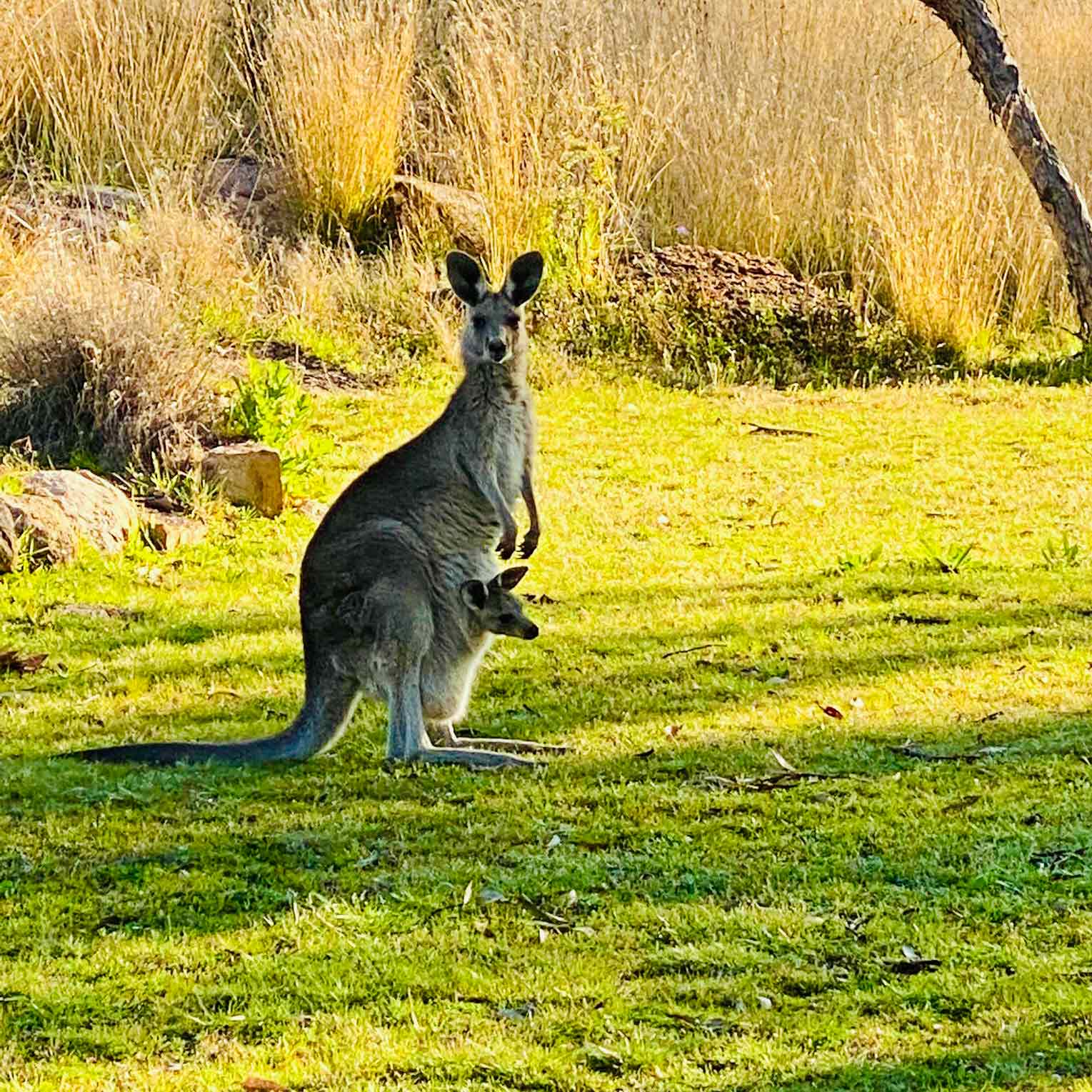
Two or three stops is plenty for one day. That gives you time for a leisurely morning, enough time at each stop, and to take the scenic route if it fits naturally, and still be back at where you are staying before sunset. The local kangaroos are very active before dusk, so take care if driving in the late afternoon.
A slower local day
Keep one day with fewer plans. If you feel like getting outside, add a short walk or picnic at Girraween National Park.
Head into Stanthorpe for a wander, stop at a bakery or cafe, visit a brewery or distillery, visit a farm shop or local producer, or take a drive through one of the smaller areas you have not explored yet. Then pick up a bottle of wine and something for dinner, if needed, and head back to your accommodation.
This is the day to leave room for a recommendation, a roadside stop or somewhere you passed earlier and wanted to come back to. Quite often, these are the parts of the trip you remember most.
With an extra day
Visit another winery, brewery or distillery near where you are staying and enjoy lunch somewhere new. Or, simply enjoy your accommodation properly. The Granite Belt is worth lingering in.
Destination Savour Tip: check opening days and hours
If you are visiting on weekdays, check if the places you want to visit will actually be open. There are also some seasonal openings and closures. For example, if you want to pick strawberries or go truffle hunting, timing is important.
What to book ahead
For a smoother trip, book the things that matter most before you go. Here’s a list of what is worth booking in advance:
- Accommodation, especially for weekends, winter and peak event periods
- Popular restaurants or winery lunches, particularly Balancing Heart Vineyard
- Tastings or experiences with limited places
- Guided wine tours
- Special events
You do not need to book everything. But pre-arranging one or two key experiences gives the trip a clear shape and means the things you are most looking forward to are locked in.
What to leave flexible
Leave space for the parts of the trip that are better discovered once you are there. Things to keep flexible:
- Casual lunches
- Coffee stops
- Local produce shops and roadside stalls
- Scenic drives
- One dinner. You might just feel like cheese, crackers and apple pie 🥧
In a region like the Granite Belt, part of the charm is the small stops you didn’t plan and the roads you end up on. The farm shop with excellent preserves, the cellar door someone at your accommodation recommends, the brewery you pass on the way to somewhere else. Leave room for those.
Is the Granite Belt right for you?
The Granite Belt is a good fit if you enjoy food and drink travel, country stays, cooler weather (some of the time), local produce, self-driving and a slower pace.
It’s especially good for couples, small groups, wine lovers, food-focused travellers, nature lovers and anyone wanting a Queensland escape that feels genuinely different from the coast.
It may not be the best fit if you want nightlife, beaches, luxury resort-style travel or a road trip built around ticking off lots of attractions.
The Granite Belt is best approached as a place to settle into, not tick off.